

This young hawk uses cars as cover for surprise attacks
A city-wintering raptor learned to use traffic patterns for hunting—a sign of remarkable cognitive abilities.

It’s a busy weekday morning in the town of West Orange, New Jersey. Unbothered by people and cars passing by, a flock of sparrows feeds on bread crumbs in a front yard—leftovers from the residents’ outdoor dinner the previous evening. Suddenly, a raptor appears from between the cars lining up in the street. It snatches one of the sparrows and flies away with its prey.
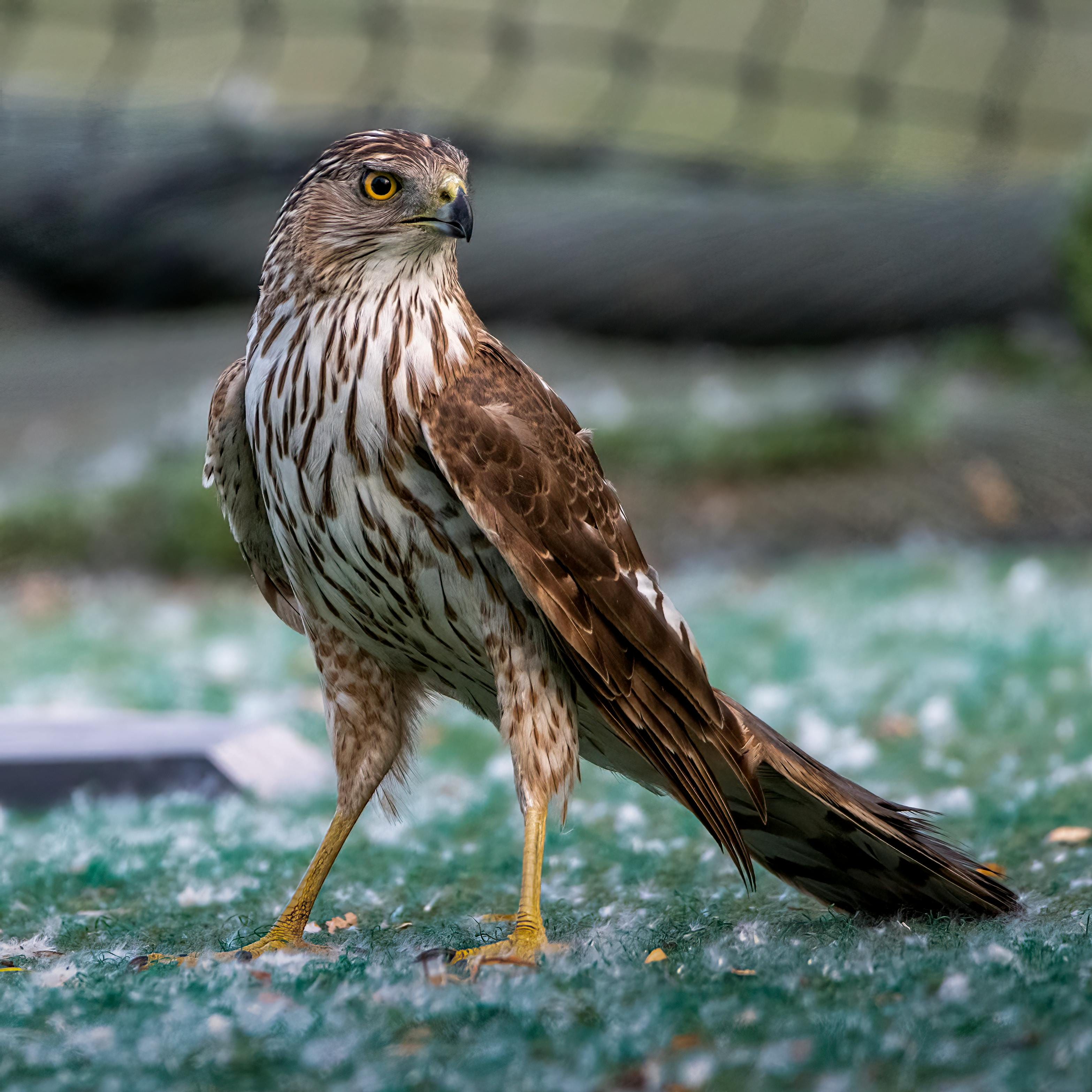
Vladimir Dinets, a zoologist at the University of Tennessee, accidentally witnessed this remarkable scene one November morning in 2021. But that wasn’t all. He observed the exact same pattern several days later—a young Cooper’s hawk (Accipiter cooperi) launching a surprise attack from behind a line of waiting cars, targeting birds in the same front yard. Intrigued, Dinets decided to investigate what was going on.
Watching from within his parked car over several days that winter, he soon figured out a fascinating chain of events occurring: when pedestrians activated the crossing signal, cars began lining up in the street where the sparrows came to feed. An immature Cooper’s hawk appeared in a tree farther down the road, safely hidden from view. When about ten cars had lined up, the raptor took off, flying low along the sidewalk behind the queued vehicles, where it remained hidden from its prey. At the level of the target front yard, the hawk made a sharp 90-degree turn, crossed the street between the cars, and attacked the birds.
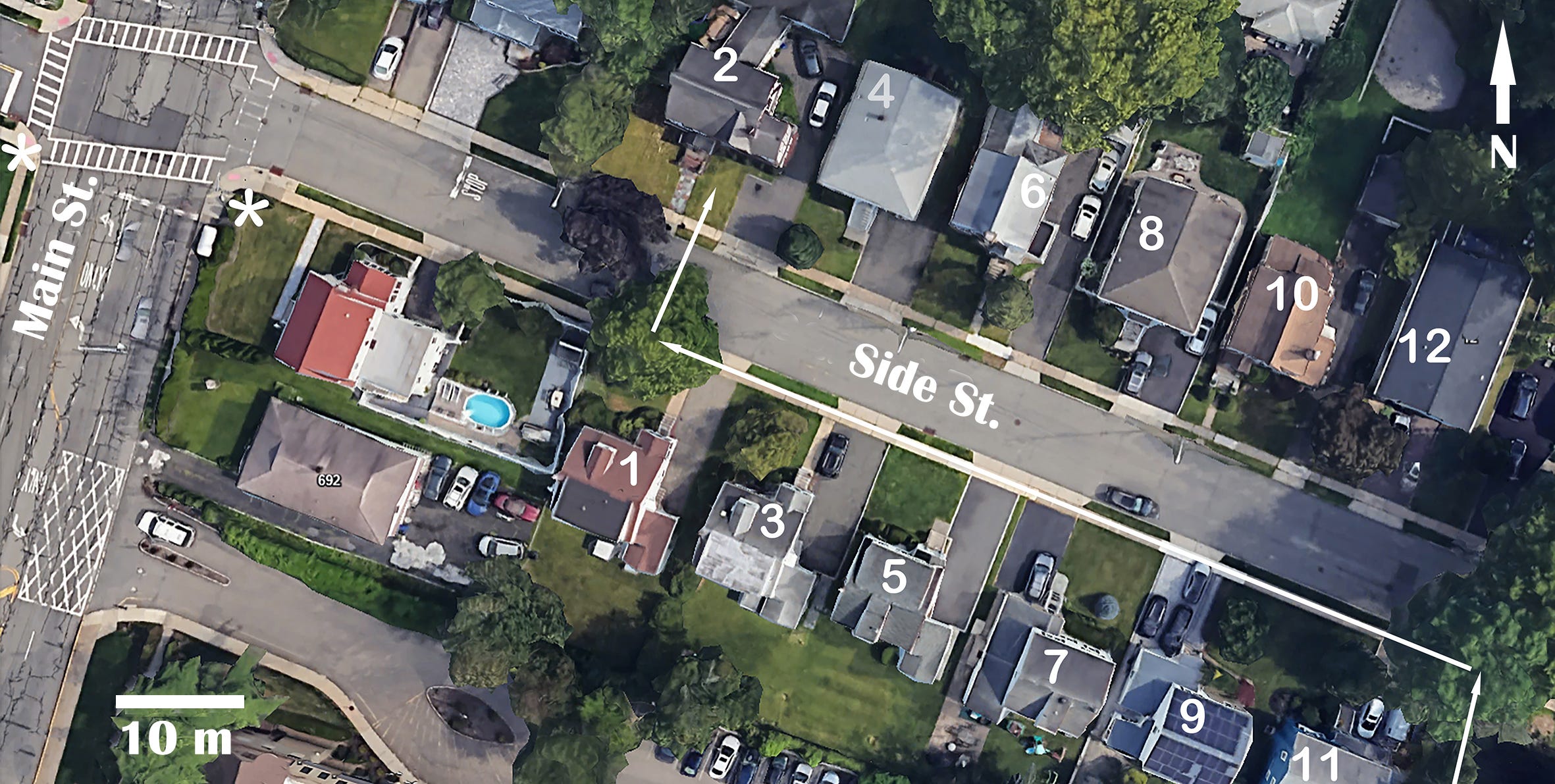
Dinets later published his observations as a case report in Frontiers in Ethology1. ‘The behavior described here is an impressive feat of intelligence,’ he writes. To launch these surprise attacks, the young hawk must possess a precise mental map of the street because its target prey is invisible to the bird once the cars block the view.
Astonishingly, the hawk also appeared to associate the sound signals with changes in traffic patterns. The cars lined up only when the traffic lights were activated. And only with the traffic lights activated did the hawk appear at the end of the street to prepare for an attack.
The hawk also hunted on this street only on weekdays. On weekends, there were no car queues.
This case report indicates that raptors can adapt their hunting technique to urban environments—a skill that requires remarkable cognitive abilities. Many of us have heard of crows using traffic to crack open nuts. But Cooper’s hawks had never previously been documented using traffic for hunting.
A year after his initial observations, Vladimir Dinets witnessed the same hunting strategy at the exact same location, this time performed by an adult Cooper’s hawk. He assumes it was the same individual, now fully grown but apparently still relying on the same strategy.
Later, however, the hawk was nowhere to be seen again, as Dinets writes in his article.
‘In the summer of 2023, the sound signals at the streetlight stopped working for unknown reasons, and the residents of house #2 stopped leaving leftovers. No hawks were ever observed at the intersection after that.’
Have a wonderful rest of the week! All the best,

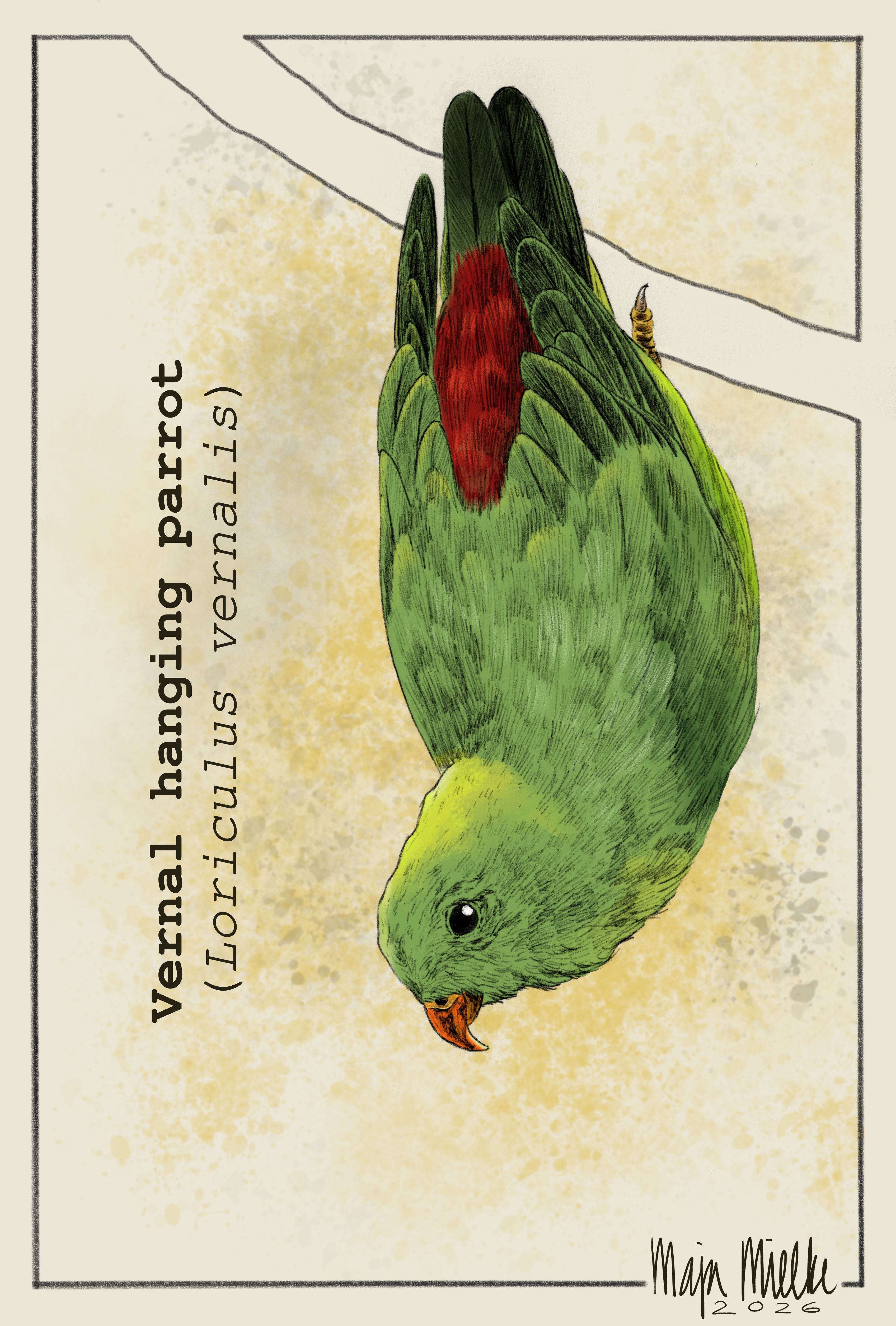
PS: Have you read my previous post on Hanging parrots? It inspired me to make a new artwork, exploring a mix of ballpoint pen drawing and digital coloration for the first time.

Thanks for a wonderful read and including the map that was in the article, Maja. I’d heard this story on the news, but I love how you told it more :). I’ve had Cooper’s Hawks follow me when I’m out birding, and had the inkling they were using me to distract the birds, but then I’d try to foil what I thought their plans were by changing course 😂. It’s so cool this one learned all the environmental cues like the traffic signal beeps and differences in weekdays and weekends. Behavior is endlessly fascinating!
Birds are always adapting to their environment. I was watching sparrows in the parking lot, going from car to car picking bugs from the radiator fins of the cars this summer. Smart little birds recognising a smorgasbord for their taking.