

The song battles of the New Zealand tūī
High-quality songs from rival males trigger aggressive responses in tūī during the breeding season.

Francesca Cuzzoni, born in 1696 in Italy, was one of the most celebrated sopranos on Europe’s opera stages. As a prima donna, she was known for her clear high notes—but also for her particularly fierce temper. During a performance of Bononcini’s opera Astianatte in London in 1727, she attacked her colleague and arch-rival Faustina Bordoni on stage, pulling her hair and ripping pieces off her costume.
Songbirds sing the most beautiful arias not to impress an audience, but to attract females and defend their territory—which may involve quite a bit of rivalry and competition as well. A study from 20171 found that some male songbirds cannot easily control their temper when another male sings better than they do.
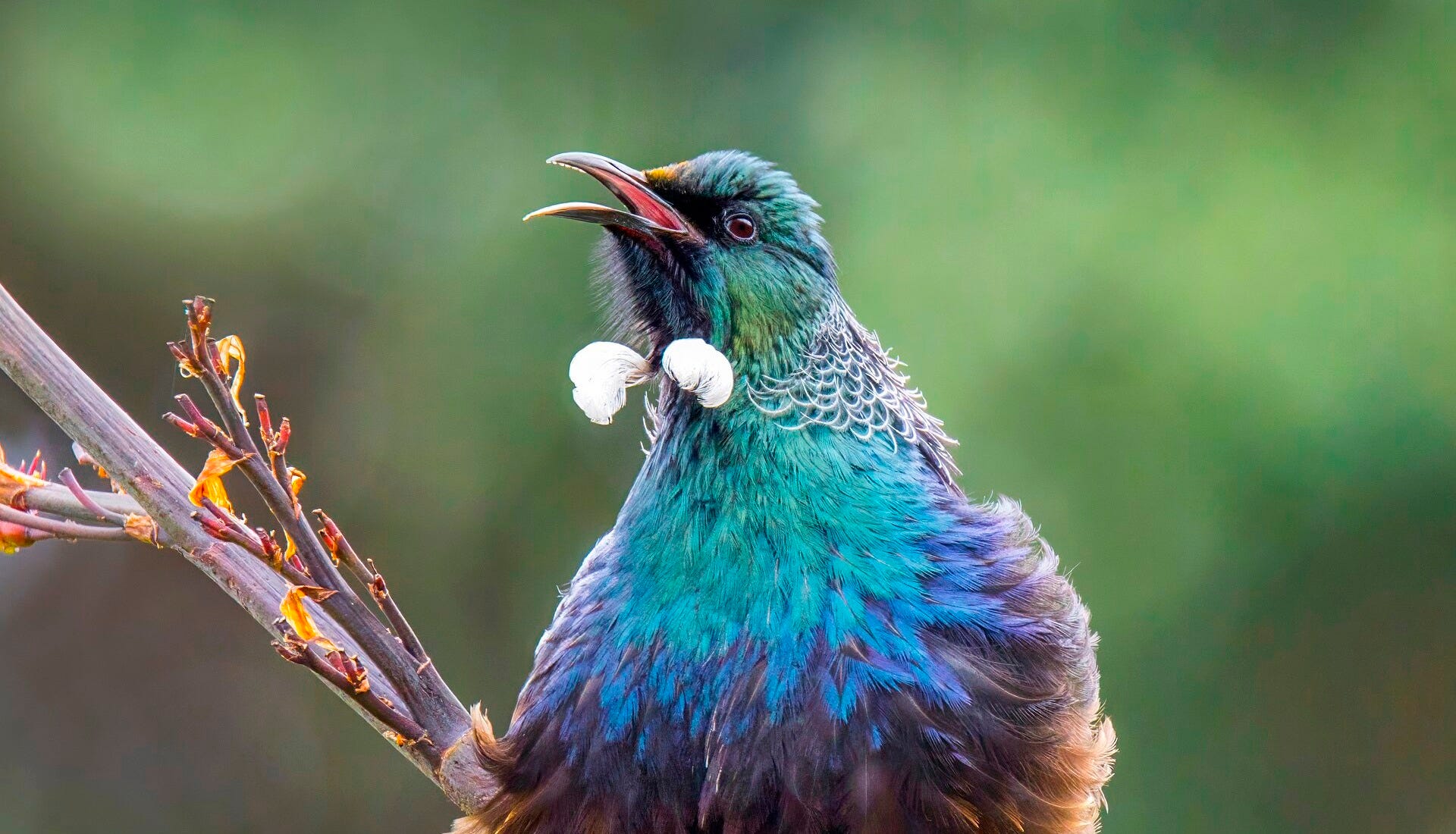
The New Zealand tūī (Prosthemadera novaeseelandiae) is capable of producing highly complex songs. During the breeding seasons, males sing a large repertoire of long songs with more than 56 different syllables.
In December 2014, during one of these breeding seasons, researchers from Massey University in Auckland, New Zealand, set out to test how male tūī react to intruders singing songs of different quality. For their study, they placed speakers at the edge of different male tūī territories and played recordings of simple and complex songs from other males.
The targeted males responded with significantly more aggressive behavior when the speakers played very complex, high-quality songs. They approached the perceived intruder (the speaker) more closely and more rapidly and responded with longer and more complex songs of their own compared to playbacks of simple songs.
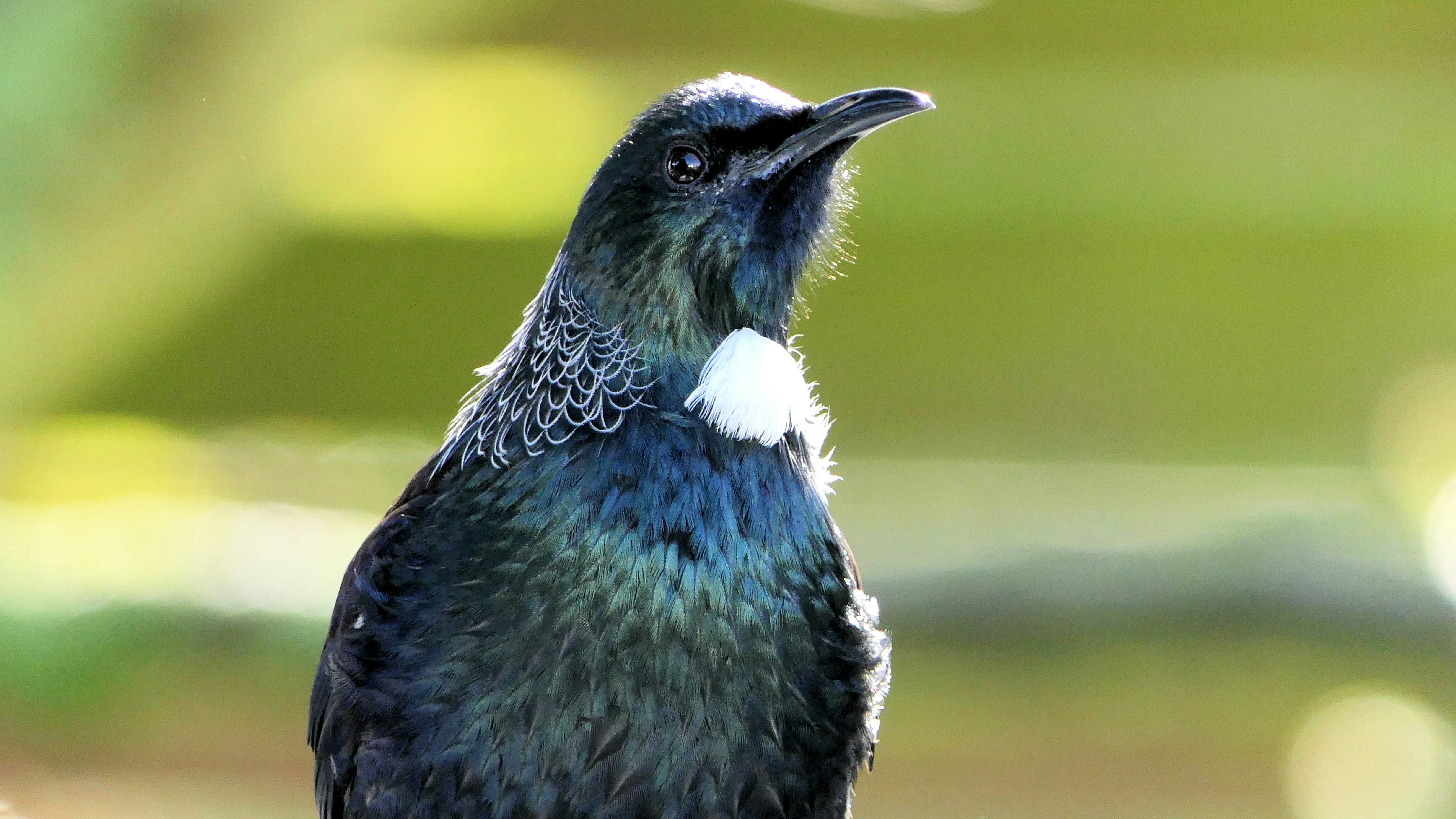
The researchers concluded that the males perceived more complex songs as a much greater threat. And apparently they have good reason for that. Previous research on Great reed warblers had shown that high song complexity correlates with greater success in extra-pair mating. In other words, intruders with a beautiful singing voice have a higher chance of mating with a local female.
And indeed—in New Zealand tūī, the rate of extra-pair paternity reaches an astonishing 57%. It seems that males have good reason to be worried about the beautiful song of another prima donna—or perhaps, in this case, a primo uomo.
Have a wonderful rest of the week! All the best,



That's some song! Its complexity and variation shows an awareness of what makes t he song special for its target audience and the aggression when hearing a more complex song than their own, tells me it must have been going on for many generations already, and a beautiful example of how 'specialized' birds can become.
Kia ora from Wellington! Yes, the tūī make all the sounds, and they can drive away other species too. But the kākā parrots don't seem to care about the tūī.