

This bird sings with his feathers
Male Club-winged manakins evolved feathers for sound production—and became worse at flying in the process.

I would never have believed what male Club-winged manakins are able to do if I hadn’t seen it in this video:
This bird produces non-vocal sounds with specialized secondary wing feathers as part of his courtship display. When he snaps his wings together over his back, he vibrates them at a frequency of more than 100 Hz. This sets the specialized feathers into resonance, producing the distinctive beep sound you hear in the video.
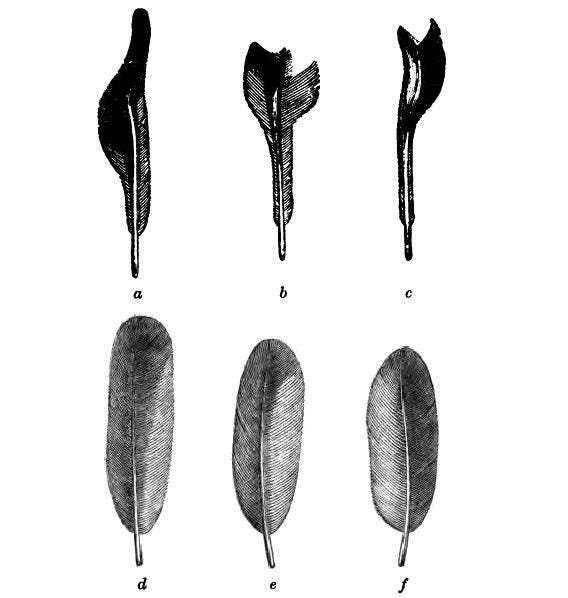
The evolution of this unique behavior has some important consequences for the birds’ anatomy. In contrast to normal feathers, which arise from a bird’s skin, these specialized sound-producing feathers are directly attached to the ulna bone. In 2012, a team of researchers analyzed these bones and discovered something remarkable1. Compared to related species of similar size, male Club-winged manakins have ulna bones that are:
three times larger in volume
entirely solid (instead of hollow, as is typical for birds)
exceptionally dense (and therefore heavy)
The researchers suggested that these massive, solid bones help control the mechanical vibration by providing a stable anchor for the feathers. The dense bones may even improve the sound production by reflecting the vibrational energy back into the feathers rather than absorbing it.
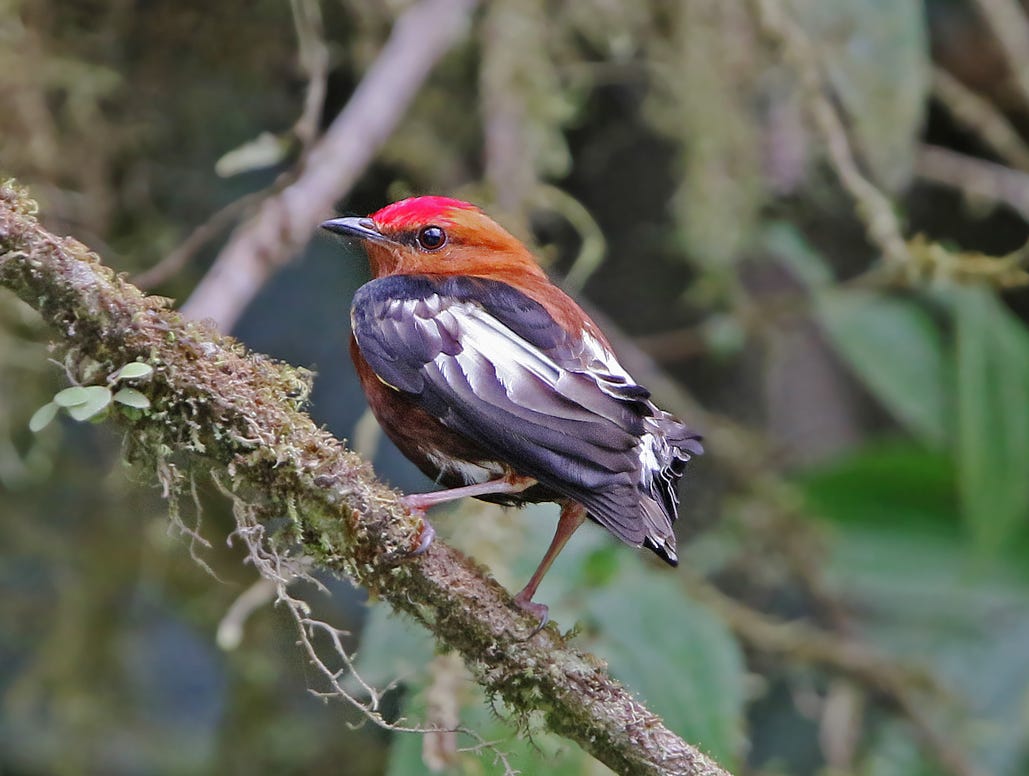
What makes this adaptation even more fascinating is that it goes against the lightweight construction typically found in flying birds. The large, solid bones likely impair the birds’ flight performance.
Why did they still evolve? Because the females like it. Club-winged manakins are lek breeders. During breeding season, males gather to perform their non-vocal courtship songs for females, who select their mates based on sound, not on flight performance. This is how sexual selection has caused the males to evolve such an energetically costly wing.
What wouldn’t I give for a glimpse into the future of this species? Will males evolve even heavier ulna bones, producing even more elaborate feather sounds? Or are they already approaching the limit of what a flying bird can carry?
Have a wonderful rest of the week! All the best,



Extraordinary
How cool is that?