

Owls fly almost silently (if they don't use hairspray)
Researchers applied hairspray on feathers to study what makes the flight of some bird species so silent.

During my research, I sometimes use very everyday articles to build or complement my experimental setups. I have been using clothespins, selfie sticks, and a sous vide precision cooker, just to name a few, and none of these for their original purpose!
The researchers of today’s featured bird study became creative as well when designing their experiment. They used hairspray to study whether velvet structures on owl feathers reduce the noise of their wings during flight. At first, this might not sound logical, but I’ll explain everything in more detail below.
But before we get into that study, I first want to welcome you, the very first subscribers of Beaks & Bones. I was so happy to see how many people are interested in this newsletter. It’s great to have you on board!
Some more small updates from my side:
I have been very busy this week with work on my PhD project. Still, I found time for some birding during the weekend and saw European kingfishers. Kingfishers! My most favorite bird of them all. It made me so happy—I just had to share it with you! What was your best bird sighting of the week?
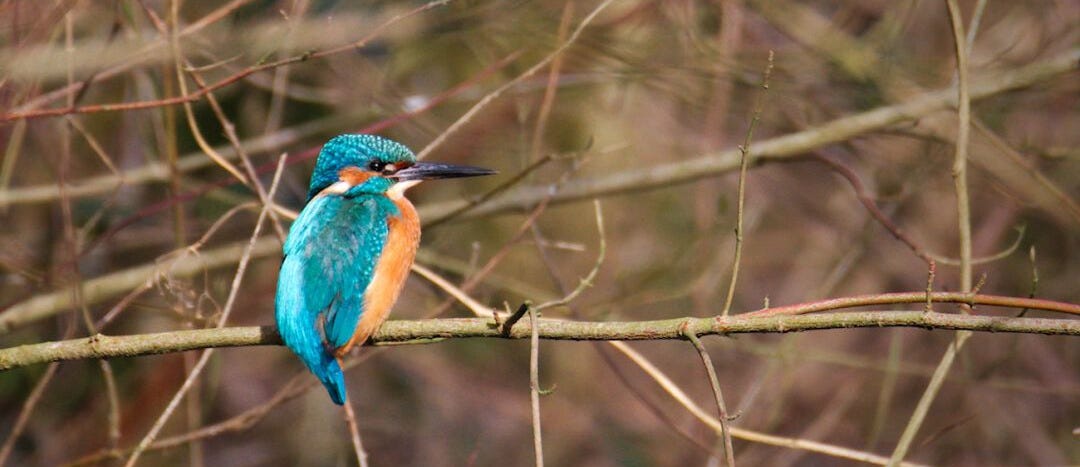
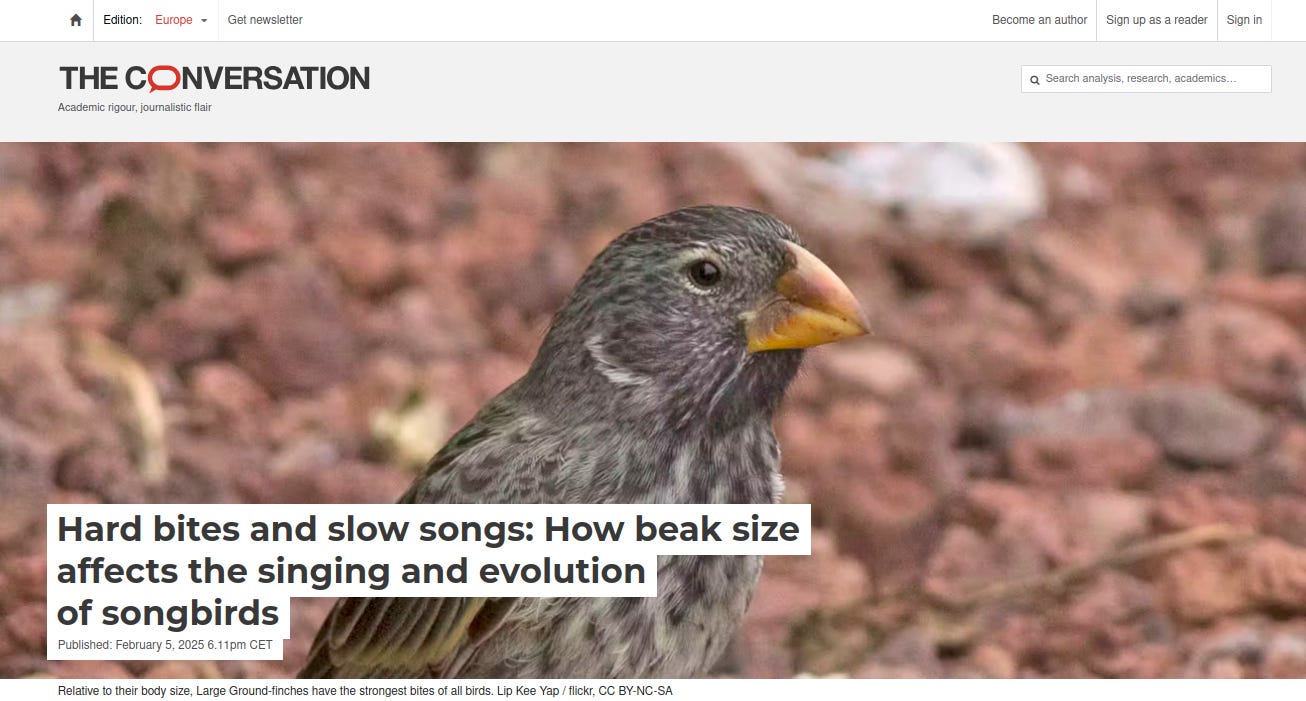
One of my few kingfisher photos. This one is from 2022. Besides launching this newsletter last week, I also got a new popular science article published that is featuring my own research. Hard bites and slow songs: How beak size affects the singing and evolution of songbirds is now published in The Conversation. This is a big deal for me because never before have I reached such a large audience with my popular science writing. Right now, as I’m writing this, the article has already reached 1,381 reads, which is so exciting!
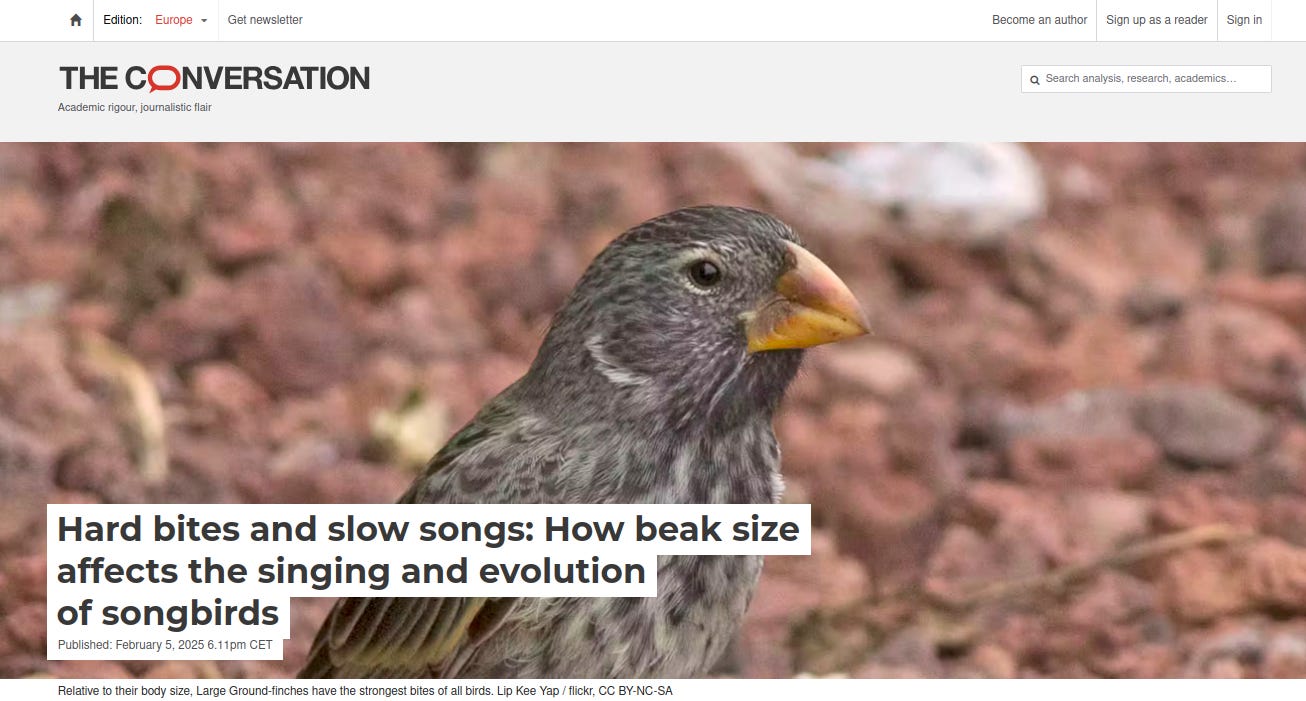
Screenshot of my article on The Conversation. Read here! Fitting today’s topic of owl research, I got my watercolors out and painted a barn owl. The result will be revealed below!
OK, so what’s with the owls and the hairspray?
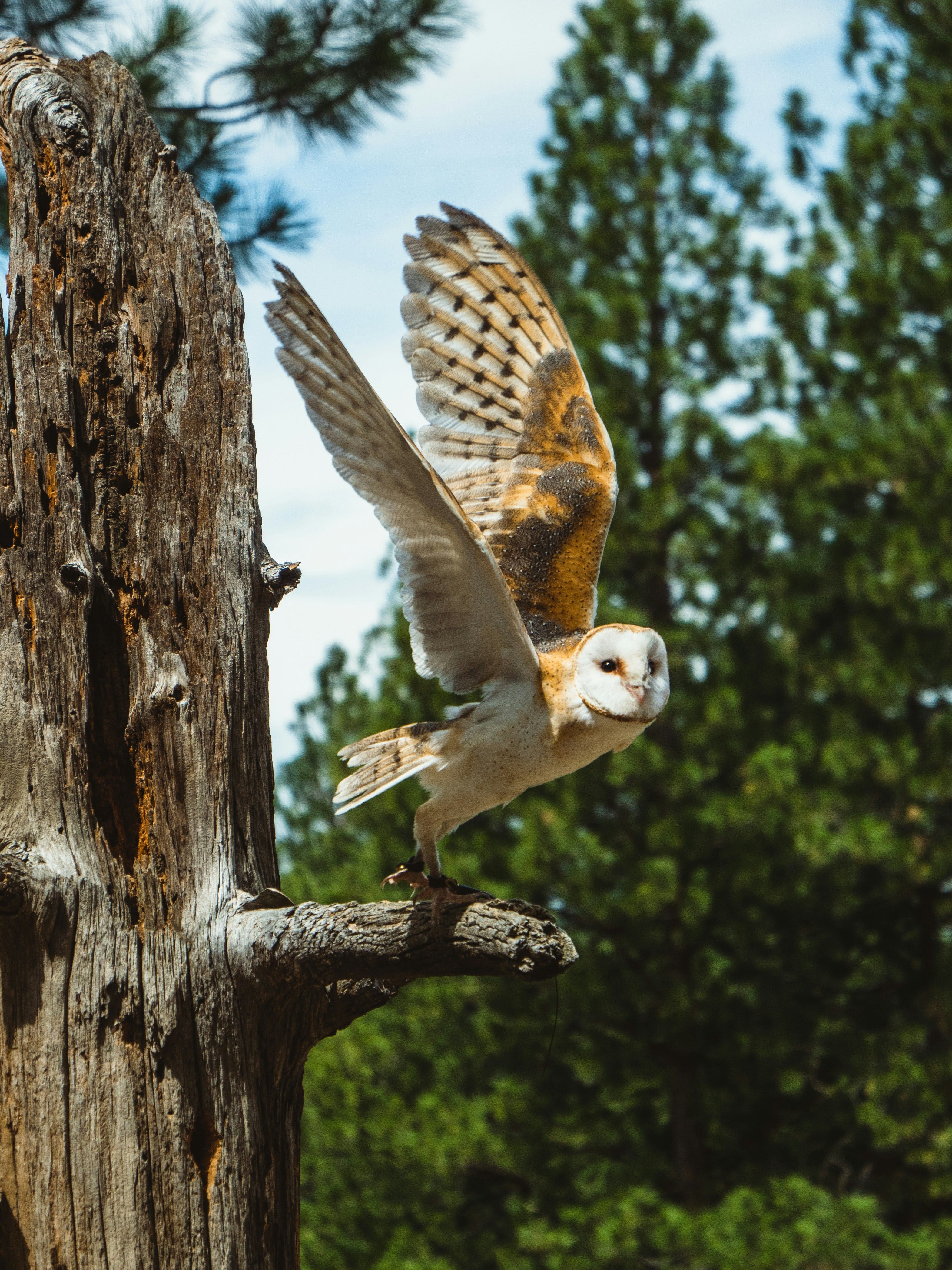
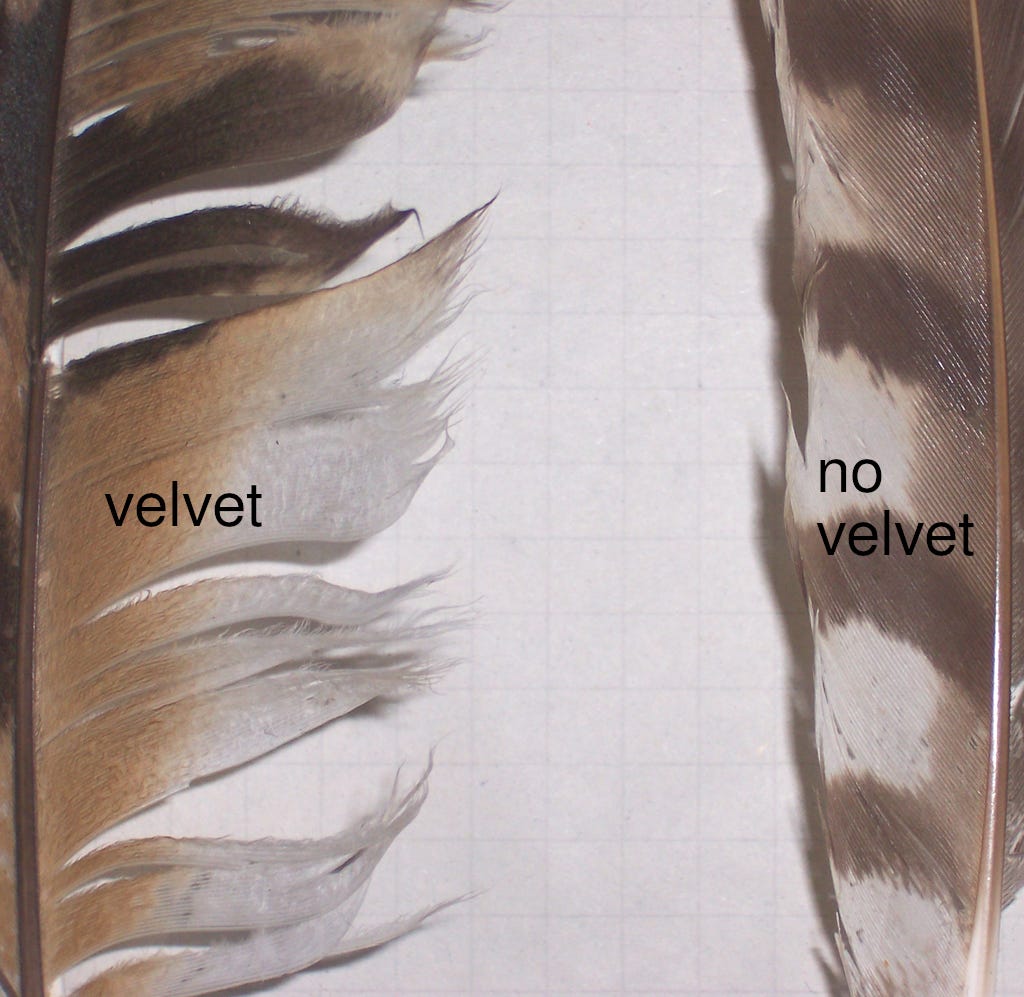
A while ago, I found a flight feather of an owl during a hike in a nature reserve here in Antwerp. It was a beautiful, big feather with broad brown bands, and I was thrilled to have found such a treasure. However, there is one thing that I didn’t realize back then. Flight feathers of owls have a very soft, almost furry coating on parts of their upper surface. It feels like velvet (and that’s what it’s called). And researchers have been showing that this velvet is what makes the flight of an owl so extremely quiet!
The velvet on owl feathers is made up of super-thin elongated filaments that extend from the microstructures that help the barbs of the feather stick together (the barbs are the branches that you can pull apart and stick back together in a feather). The velvet covers only parts of the feather (depending on the species, sometimes only some patches), and it’s so soft!
Researchers from the Animal Aeroacoustics Lab at the University of California have been studying the function of this velvet for a while already and just published a new study in January 20251.
They showed that the softness of the velvet helps to reduce the noise made by feathers during flapping flight. Specifically, the softness of the velvet functions as a dry lubricant, which reduces the frictional noise of feathers rubbing against each other. To prove that, the researchers sprayed the velvet with hairspray (thereby disabling its softness) and observed that the noise of the sprayed feathers became significantly louder when being rubbed against each other.
They tested flight feathers of 17 different bird species2 (among them species both with and without velvet), and indeed, the velvet feathers of the barred owl produced the most silent sound of all tested bird species (the loudest being the Andean Condor). On average, velvet feathers were 20.9 dB quieter than species without velvet. That’s roughly the difference in noise level between normal breathing and whispering. For a nocturnal hunter, such a difference in flight noise can be the key to success.
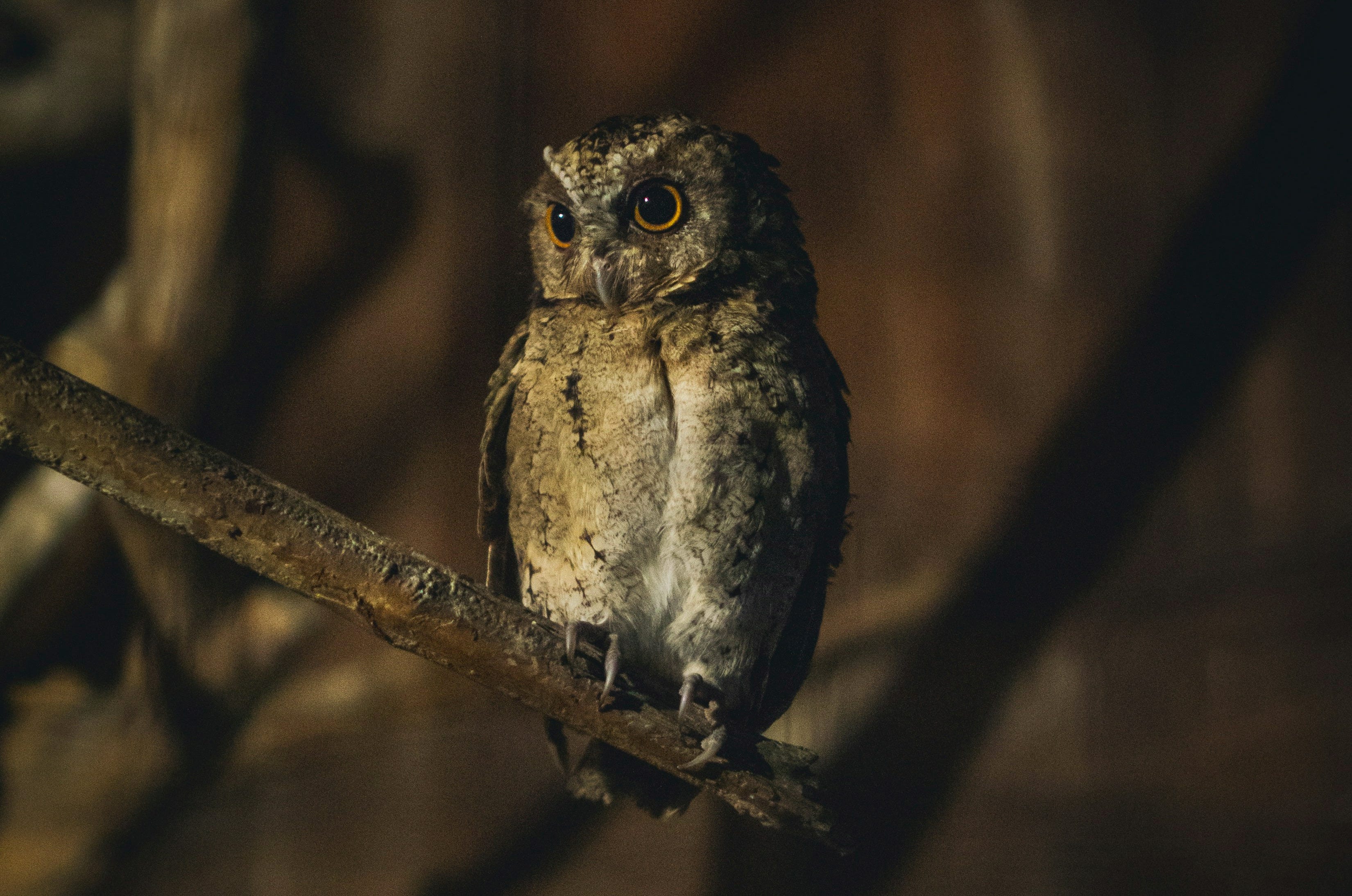
Velvet feathers became 7.4 dB louder when coated with hairspray. Feathers without velvet, however, became only 1.7 dB louder with hairspray. Since these feathers didn’t have their own noise-canceling in the first place, the hairspray didn’t make much of a difference.
Although the study has its limitations (feathers were rubbed against each other by hand, which cannot guarantee standardized conditions and not necessarily reproduces the sounds during flapping flight in live birds), this once again supports the hypothesis that velvet improves quieting the sound of feathers during flight in owls.
However, this reduction of frictional noises is only one of several reasons for the silent flight of owls. There are other features contributing as well. For example, their wings and feathers create less turbulence in the air. Also, owls have large wings compared to their body size, which allows them to glide a lot rather than flapping many times while chasing their prey.
If you’d like to see the silent flight of a barn owl in action, I highly recommend having a look at this video from BBC Earth:
Alright. That’s it for this week’s bird research! I’m looking forward to sharing more fascinating studies with you soon. I’ll try to establish a weekly publication of this newsletter, posting every Wednesday. Let’s see whether this works out!
I wish you a wonderful rest of the week.
All the best,

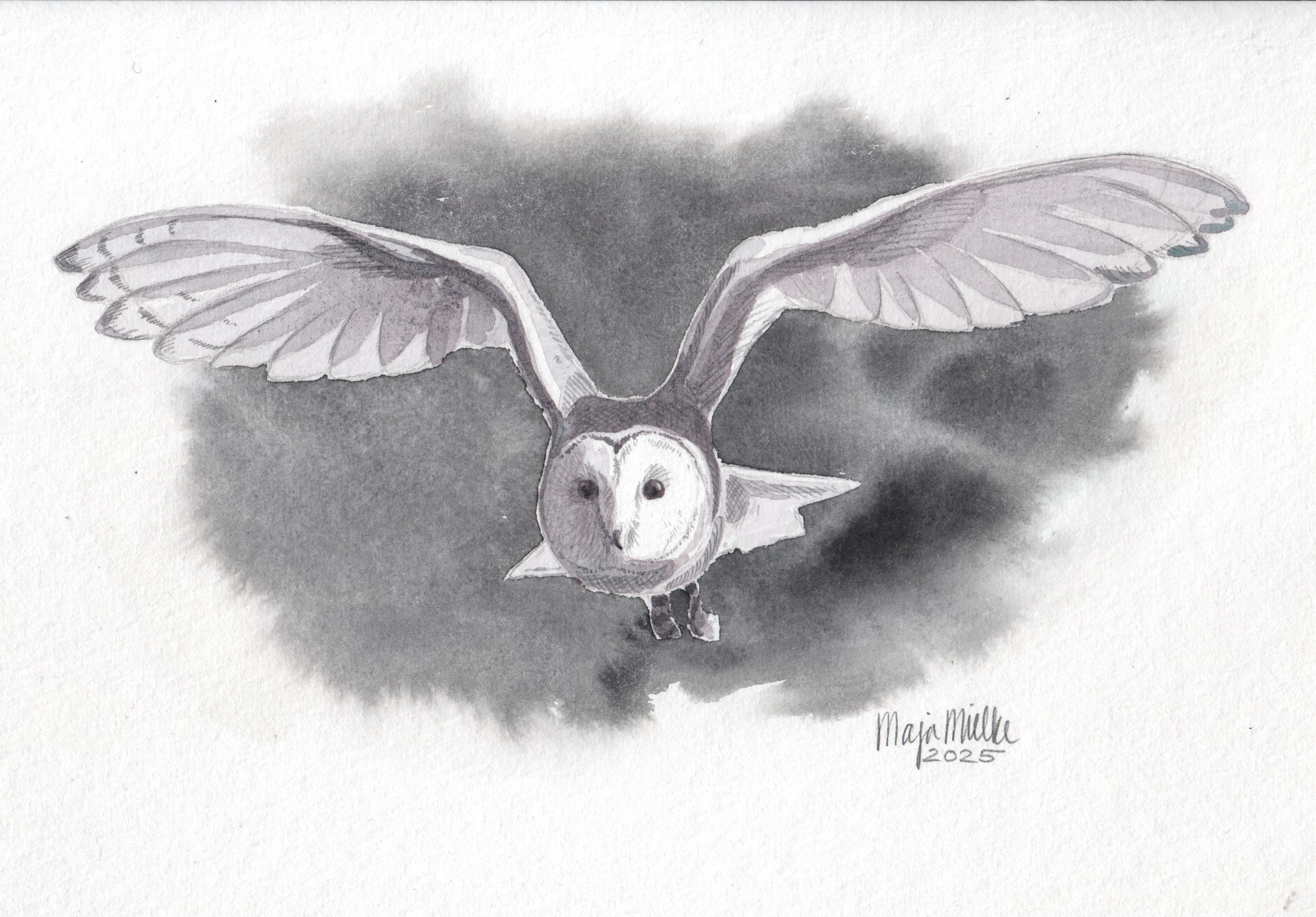
And here, as promised, is my painting of a barn owl:
Liu, L. G., & Clark, C. J. (2025). Acoustics of rubbing feathers: the velvet of owl feathers reduces frictional noise. Journal of Experimental Biology, 228(2).
Chinese Monal, Cape Barren Goose, Coscoroba Swan, Trumpeter Swan, Common, Poorwill, Great Blue Turaco, Rock Pigeon, Western Gull, Andean Condor, Red-tailed Hawk, Acorn Woodpecker, Barn Owl, Barred Owl, American Kestrel, Common Raven, Eclectus Parrot, Thick-billed Parrot
Well done! I knew I was going to love this Substack.
Now I have to know how a sous vide cooker comes into play in your research!
I didn’t know any of this! Precisely why I was so excited to subscribe. Thank you for sharing and educating your readers.